Get free shipping if you spend $69 or more!
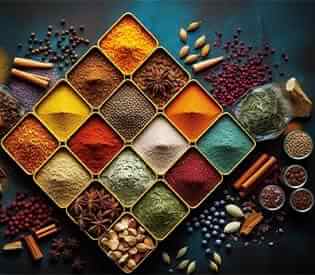
Online Spice Store: Alive Herbals. Which is the cheapest place to buy spices online. Buy fresh spice at an affordable price from a spice store in New York.
Natural Herb Store: Alive Herbals is the best online herbal store in the USA. Buy the best dried herbs wholesale or at a discount from this herb company.
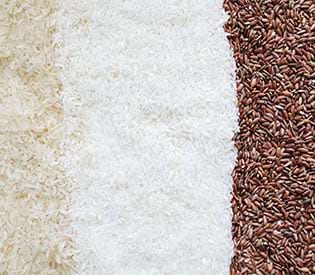
Rice is a cereal grain and in its domesticated form is the staple food of over half of the world's population, particularly in Asia and Africa. Rice is the seed of the grass species Oryza sativa.
Beans themselves vary in shape, from nearly spherical to elongated and kidney-shaped. Beans are primarily grown as either bush or climbing plants, requiring support for harvesting in the latter case.
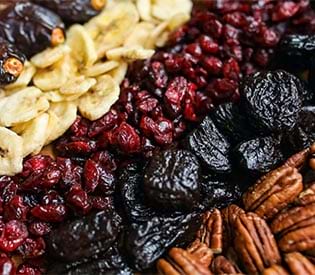
Dried fruit isfruit from which the majority of the original water content has been removed prior to cooking or being eaten on its own. Drying may occur either naturally, by sun, through the use of industrial dehydrators, or by freeze drying.
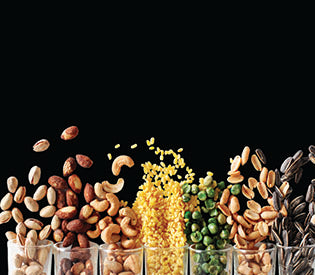
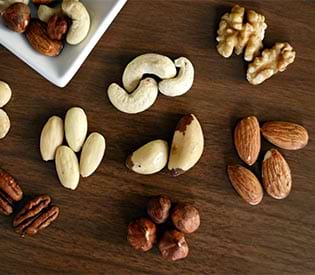
A nut is a fruit consisting of a hard or tough nutshell protecting a kernel which is usually edible. nuts are strictly a particular kind of dry fruit that has a single seed, a hard shell, and a protective husk.

July 01, 2026 5 min read
If you've ever grabbed a jar of cinnamon off a U.S. grocery store shelf, chances are it wasn't real cinnamon at all. Roughly 90% of the cinnamon sold in the United States is cassia cinnamon — a cheaper, harsher cousin of the spice most people think they're buying. The true, original cinnamon, called Ceylon cinnamon, is far less common on store shelves but far superior in flavor, safety, and quality.
If you're trying to decide which one belongs in your kitchen, this guide breaks down everything you need to know — origin, taste, appearance, health risks, and which one you should actually be cooking with.
Cassia cinnamon comes primarily from China, Indonesia, and Vietnam. It's the cinnamon most commonly found in supermarkets, big-box retailers, and mass-produced baked goods across the U.S. because it's inexpensive to grow, harvest, and export in bulk.
Cassia bark is thick, hard, and dark reddish-brown. When rolled into sticks, it forms a single thick curl rather than the delicate, layered look of true cinnamon. Its flavor is bold, spicy, and slightly bitter — which is why it works well in strong-flavored dishes but can feel overpowering in delicate recipes like tea or custard.
Ceylon cinnamon, scientifically known as Cinnamomum verum (meaning "true cinnamon"), is grown almost exclusively in Sri Lanka, the country formerly known as Ceylon. It's harvested using a labor-intensive hand-peeling process that has remained largely unchanged for centuries.
Unlike cassia, Ceylon cinnamon sticks are made up of multiple thin, papery layers rolled together, giving them a light tan color and a soft, flaky texture you can literally crumble between your fingers. The flavor is subtly sweet, warm, and slightly citrusy — a world away from the sharp bite of cassia.
| Feature | Cassia Cinnamon | Ceylon Cinnamon |
|---|---|---|
| Origin | China, Vietnam, Indonesia | Sri Lanka |
| Botanical name | Cinnamomum cassia | Cinnamomum verum |
| Texture | Thick, hard, single curl | Thin, multi-layered, flaky |
| Color | Dark reddish-brown | Light tan / golden brown |
| Flavor | Strong, spicy, slightly bitter | Delicate, sweet, citrusy |
| Coumarin content | High | Very low |
| Price | Low cost | Premium |
| Availability in U.S. stores | Common | Rare — mostly specialty or online |
| Best for daily use | Not recommended long-term | Safe for regular consumption |
This is the single biggest reason health-conscious shoppers are switching to Ceylon cinnamon — and it's not just a marketing angle.
Cassia cinnamon naturally contains high levels of a compound called coumarin, a substance that can be harmful to the liver when consumed in large amounts over time. Health authorities in several European countries have issued guidance limiting daily coumarin intake, largely because cassia is so common in baked goods, cereals, and spice blends.
Ceylon cinnamon, by contrast, contains only trace amounts of coumarin — so little that it's generally considered safe for regular, even daily, consumption. If you drink cinnamon tea often, add it to your coffee every morning, or use it in daily wellness routines, Ceylon cinnamon is the far safer long-term choice.
The right cinnamon really depends on what you're making:
Most professional chefs and spice connoisseurs consider Ceylon cinnamon the higher-quality option across the board, simply because of its more complex, refined flavor profile.
If you already have cinnamon in your pantry and aren't sure which type it is, try these quick checks:
Yes, Ceylon cinnamon typically costs more than cassia — and there's a good reason for that. It's harder to grow, harder to harvest, and far less abundant globally. But for U.S. buyers looking for an authentic, high-quality, health-conscious spice, the benefits far outweigh the price difference:
If you're only using cinnamon occasionally, cassia may not pose a major concern. But for anyone who uses cinnamon daily — in coffee, tea, smoothies, or wellness routines — making the switch to Ceylon cinnamon is one of the simplest upgrades you can make in your kitchen.
Is Ceylon cinnamon healthier than cassia cinnamon? Yes, primarily because of its significantly lower coumarin content, which makes it safer for regular, long-term consumption.
Why is Ceylon cinnamon more expensive? It's grown almost exclusively in Sri Lanka and harvested by hand using a traditional, labor-intensive peeling process, which limits supply and increases cost compared to mass-produced cassia.
Can I substitute cassia for Ceylon cinnamon in recipes? Yes, but expect a stronger, spicier flavor. If a recipe calls for Ceylon cinnamon, you may want to use slightly less cassia to avoid overpowering the dish.
Is most store-bought cinnamon cassia or Ceylon? The vast majority of cinnamon sold in U.S. supermarkets is cassia. Ceylon cinnamon is typically found through specialty retailers or online spice shops.
How can I be sure I'm buying real Ceylon cinnamon? Look for products explicitly labeled "Ceylon cinnamon" or Cinnamomum verum, ideally sourced directly from Sri Lanka, from a retailer that specifies origin and purity.
Once you experience the difference, it's hard to go back to ordinary cinnamon. Our Ceylon cinnamon sticks are sourced directly from trusted Sri Lankan farms and hand-selected for purity, freshness, and flavor — no fillers, no shortcuts, just true cinnamon the way nature intended.
Looking for more ways to bring authentic cinnamon into your routine? Explore our Ceylon cinnamon powder or browse our full organic spice collection for more pure, single-origin ingredients you can trust.
Comments will be approved before showing up.
Sign up to get the latest on sales, new releases and more …